
How to repurpose an old DJI drone

Tech Desk
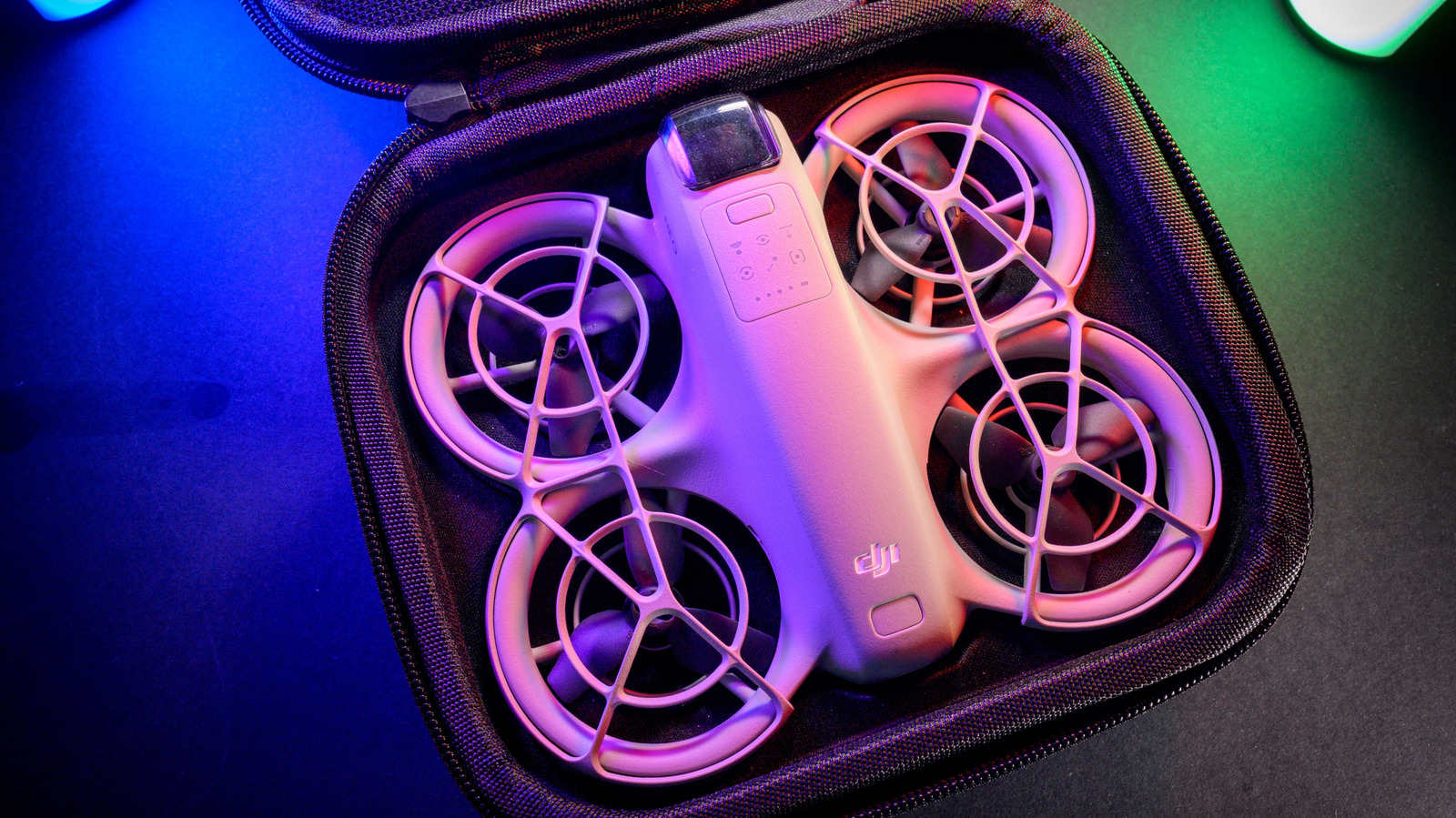
You do not need to risk a brand new DJI drone for specific tasks, aerial pics, or practice. An old DJI drone remains a nice, working machine, and unless it is a wrecked heap of scrap, it still has plenty of life ahead of it. It serves as a much better teacher than a new DJI Matrice 5T, because crashing it is far less scary than damaging the $8,000 beast that just emptied your bank account. As long as it still receives updates, you should swap out the worn props, give the batteries a once-over, and let your archaic DJI drone be a solid spare or a kamikaze risk-taker.
Advertisement
Now that it has been replaced, its best job is practice, especially for teaching someone else how to fly or for trying new maneuvers. When you want to work on low approaches or tight turns, risk the geriatric version and spare your best drone. Leave the new one in the box for risky flights over water or through heavy tree canopies. The old one also functions as a good spare in case the newbie face-plants into a brick wall or runs out of juice. Depending on your model, add-ons like the Sky Rigger make it a good fit for dropping bait when fishing.
Trading the drone or selling it is a simple and obvious option, but you can also part it out, either to sell individually or for future spare parts in your toolbox. There is a sizable market for specific drone parts, and as long as everything is in good working order, you will not have a problem finding buyers. Some parts can be repurposed for something entirely different, such as portable chargers or security cameras. For the airborne filmmakers out there, an older or budget DJI drone still holds up well in that regard.
If you want to record a low flight scene over water but are afraid of turning your drone into a submarine, an older model is useful. Unless they have been wrecked a lot, older DJIs still fly steady lines and feature stable cameras. The cameras themselves are not too shabby either. The Air 2S and Mavic 2 Pro shoot 4K video with impressive dynamic range and D-Log, and though newer drones add more digital stabilization, older ones still have physical gimbal motors that work surprisingly well.
Huge or important events deserve the highest-quality cameras you can afford to send skyward, but older DJI models are more than enough for planning projects or property shots without risking the newbie. They are also good for checking out the bat population hanging out at the top of a cedar tree or inspecting your roof. Drone mapping is an interesting and potentially lucrative side gig for your old drone as well. Of course, you will need more than just the drone, including mapping software and, for any paid work, an FAA Part 107 remote pilot certificate.
Advertisement
You can even offer your piloting services for special events or rent out your drone. If you have a solid but older drone, you could make some money off it before you sell it or trade it in. Another option is to hand the controller over to one of your kids or someone who has never flown a drone and is looking to get into the hobby. It is a basic use case, but it will feel much better if the noob crashes and burns the old drone and not the new one. Everyone interested in the hobby has to learn at some point.
If you still have strong feelings toward your old drone, start in an open field, well away from power lines and trees. Keep the flight time short and do not let them try anything overly "clever." Depending on how deep you are into the hobby, you can take the parts and work on a new build. DJI manufactures its drones with little in the way of interchangeability, but that does not stop you from repurposing the parts for a new drone. If you go this route, keep in mind that it requires a lot of tools, time, and focused patience for intricate, tight work.
You need at least a basic working knowledge of electronics, soldering, and aerodynamics. Even if you are learning from scratch, it is a rewarding and fun journey from start to finish. Lastly, you can use your DJI drone to map out hornet, wasp, yellow jacket, and bee nests for exterminators. Make sure you are in a safe place when you do; locating those holes and annoying nests will make an exterminator's job much easier. Just know your drone may take a beating, as none of the above stinging insects will throw out the welcome mat for a much louder, larger version of themselves.