


How to fix rattling car speakers without visiting a mechanic

Tech Desk
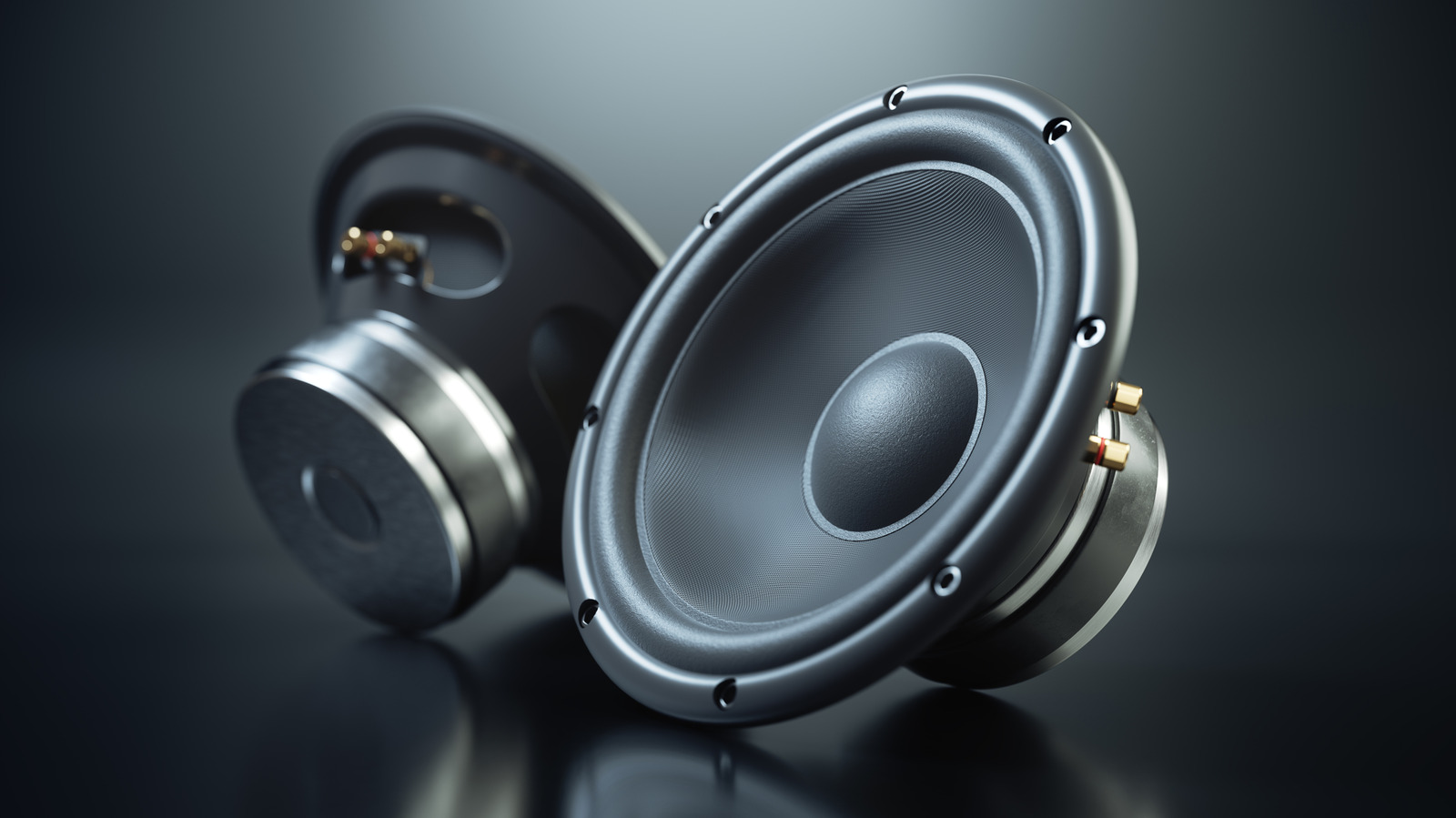
Before reaching out to a mechanic, you should inspect the speaker wiring, particularly if you have previously performed work on the speakers yourself or had them serviced. Sometimes, rattling noises are simply caused by reversed polarity, where the positive and negative terminals have been incorrectly connected. More frequently, however, wiring can become jarred loose due to years of road vibration. You can test for this by playing music while lightly wiggling the speaker wires behind the head unit or at the point where they enter the door. If the noise stops or intensifies when the wire is moved, the issue is likely a loose terminal or a break in the insulation of the wire.
Advertisement
Should you diagnose a power issue, there are several remedies to attempt. If overpowering is the cause, begin by reducing the gain on your amplifier and then gradually increase it until the proper balance is achieved. A multimeter is useful here, as it will indicate if you are exceeding the RMS power rating of your speakers. If the problem is underpowering, you can either upgrade the amplifier or disconnect some speakers to reduce the load on the amp.
Test your equalizer settings by resetting the EQ to zero across the board, then play music and incrementally raise the settings until you identify where the rattling begins. Once you find the specific frequency range where the rattling starts, you should be able to adjust your settings until the noise stops.
If you suspect loose mounting hardware is causing the rattle, remove the speaker grilles and inspect the mounting screws to see if any are loose. Any difficulty in tightening them might require the use of longer screws or the creation of new mounting holes. To minimize vibrations, you can also install a foam gasket between the speaker and the mounting surface.
Applying sound-deadening material, such as peel-and-stick butyl rubber mats with an aluminum foil backing, to some of the flat metal surfaces on your car's door panels can also minimize resonance. Closed-cell foam decoupling sheets, weather stripping tape, or foam speaker baffle rings placed around the speaker and along the edges of the panel also act as a cushion between vibrating pieces.
Advertisement
Ultimately, if these fixes do not help, there could be significant damage to a speaker component, at which point replacement by a car audio specialist probably makes the most sense. However, it is definitely worth giving these DIY fixes a shot before you drop big money on new speakers.