


OpenAI countersues Apple, alleging theft of trade secrets

Tech Desk
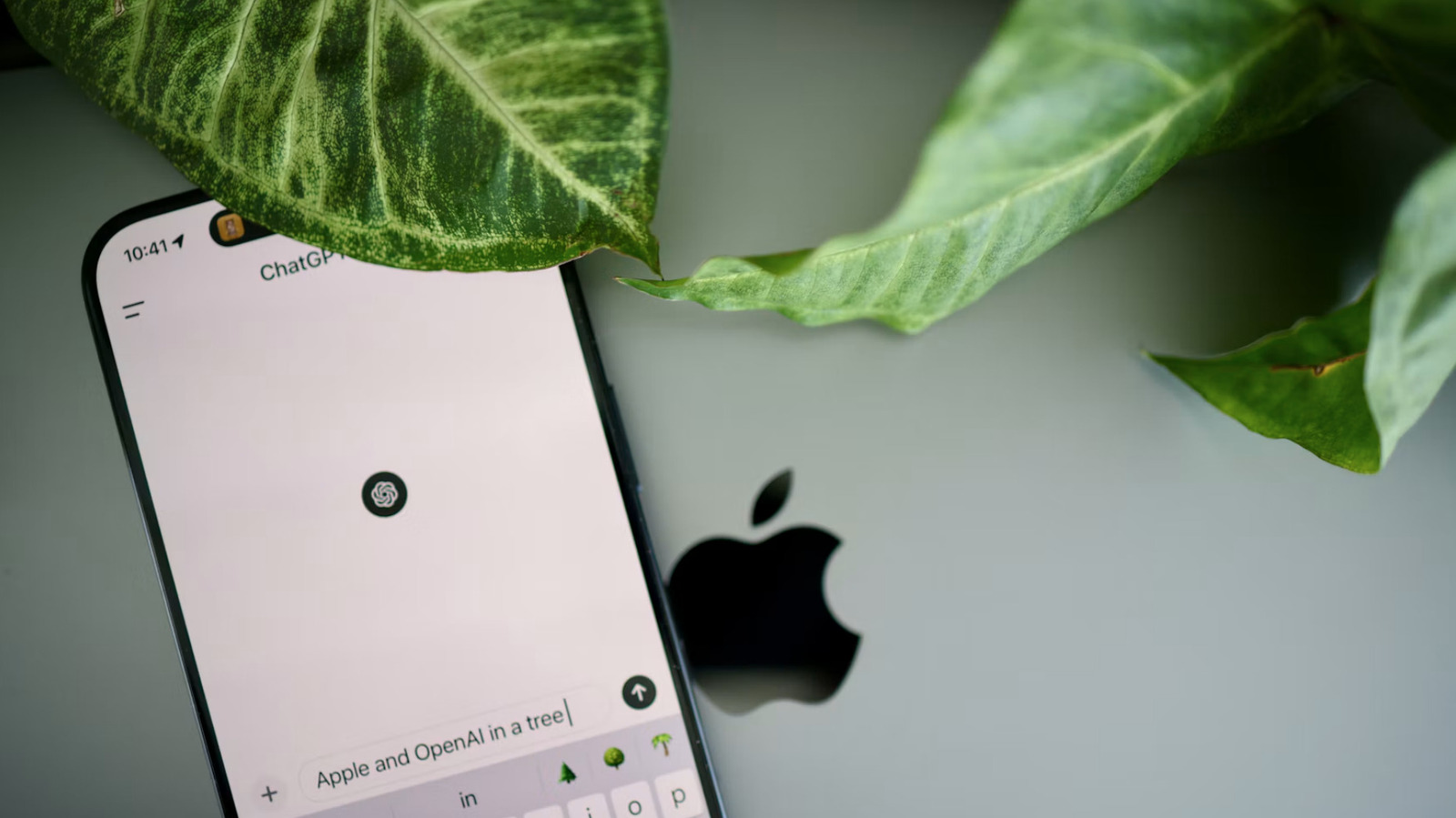
OpenAI has initiated a significant legal challenge against Apple, alleging that the iPhone manufacturer misappropriated trade secrets, according to a report by Financial Times. The organisation behind ChatGPT further claims that Apple has engaged in "coercing and threatening" suppliers that maintain business relationships with both firms. OpenAI asserts that Apple is attempting to "compete unfairly by any means available," a strategy it alleges involves incentivising staff to save corporate documentation on private devices and cloud storage accounts.
Advertisement
The legal filing contains descriptive language suggesting that "Apple set quite a trap for employees" and that "bright young minds thought they would work in Cupertino. Instead they were joining Hotel California: you can check out any time you like, but you can never leave."
This action follows a lawsuit previously brought by Apple against OpenAI, which alleged that the artificial intelligence company had stolen confidential trade information. That earlier case was filed following OpenAI's acquisition of a studio led by Jony Ive, the former design chief for Apple. At that time, Apple described ChatGPT as "rotten to its core," with the current situation now developing into a reciprocal legal dispute.
Although Apple has not yet provided a comment regarding the latest lawsuit, the two companies had recently collaborated to integrate ChatGPT into iPhones. OpenAI is currently preparing its own range of hardware products, which may serve as direct competition to Apple. In the filing, the company alleges that a former staff member returned to Apple and disclosed information regarding product strategies and suppliers, mirroring accusations Apple previously made against OpenAI.
The document identifies several former Apple employees and claims they "surreptitiously accessed and downloaded dozens of Apple's confidential hardware-related files, including voluminous, detailed information about unreleased products, engineering presentations, technical specifications and proprietary project data." The courts are now expected to resolve the matter as both lawsuits proceed through the legal system.