


Five obsolete mobile phone charging ports that preceded USB-C

Tech Desk
Before USB-C became the dominant standard for smartphones, the industry featured a wide variety of charging and data connectors. USB-C is now the preferred choice due to its reversible design, efficient power delivery, and high-speed data capabilities, with its position further cemented by a sweeping EU mandate. Earlier ports were often bulkier and lacked the advanced features of modern standards. The absence of a universal connector previously resulted in significant e-waste, as users were forced to replace chargers whenever they switched to a phone from a different manufacturer.
Advertisement
Despite their limited bandwidth and slower charging speeds, these unique connectors remain a point of nostalgic interest. They were designed in various shapes and sizes based on what manufacturers deemed technically feasible and desirable at the time. Before features like Apple's AirDrop, users relied on physical cables to transfer large files, which proved difficult when moving between different phone brands. Here is a look at some of the old-school, occasionally bizarre, charging ports used before the advent of USB-C.
The Motorola CE Bus connector first appeared on Motorola phones in 2000. This 17-pin connector was gigantic and featured hooks to keep it in place, though it was not reversible. It was notable for managing power, data, and audio through a single interface. It was featured on the Motorola V60, one of the most recognizable models of the clamshell era, and the Motorola ROKR E1, which was the first phone with iTunes support. Eventually, thinner phones like the Razr V3 transitioned to Mini-USB, making the CE Bus connector obsolete as companies moved toward Mini-USB to lower costs.
Nokia's Pop-Port connector was designed with external accessories in mind, including earphones and data transfer cables. Owners of the 2002 Nokia 7210 will recall its 14-pin port, which supported camera accessory add-ons and car kits. However, it was not very secure, and the plastic clips tended to wear down over time, making listening to music difficult while moving. While the Pop-Port could be used for charging, Nokia devices typically relied on a separate 2.0 mm thin-tip barrel connector, and the Pop-Port eventually faded away as Mini-USB became common.
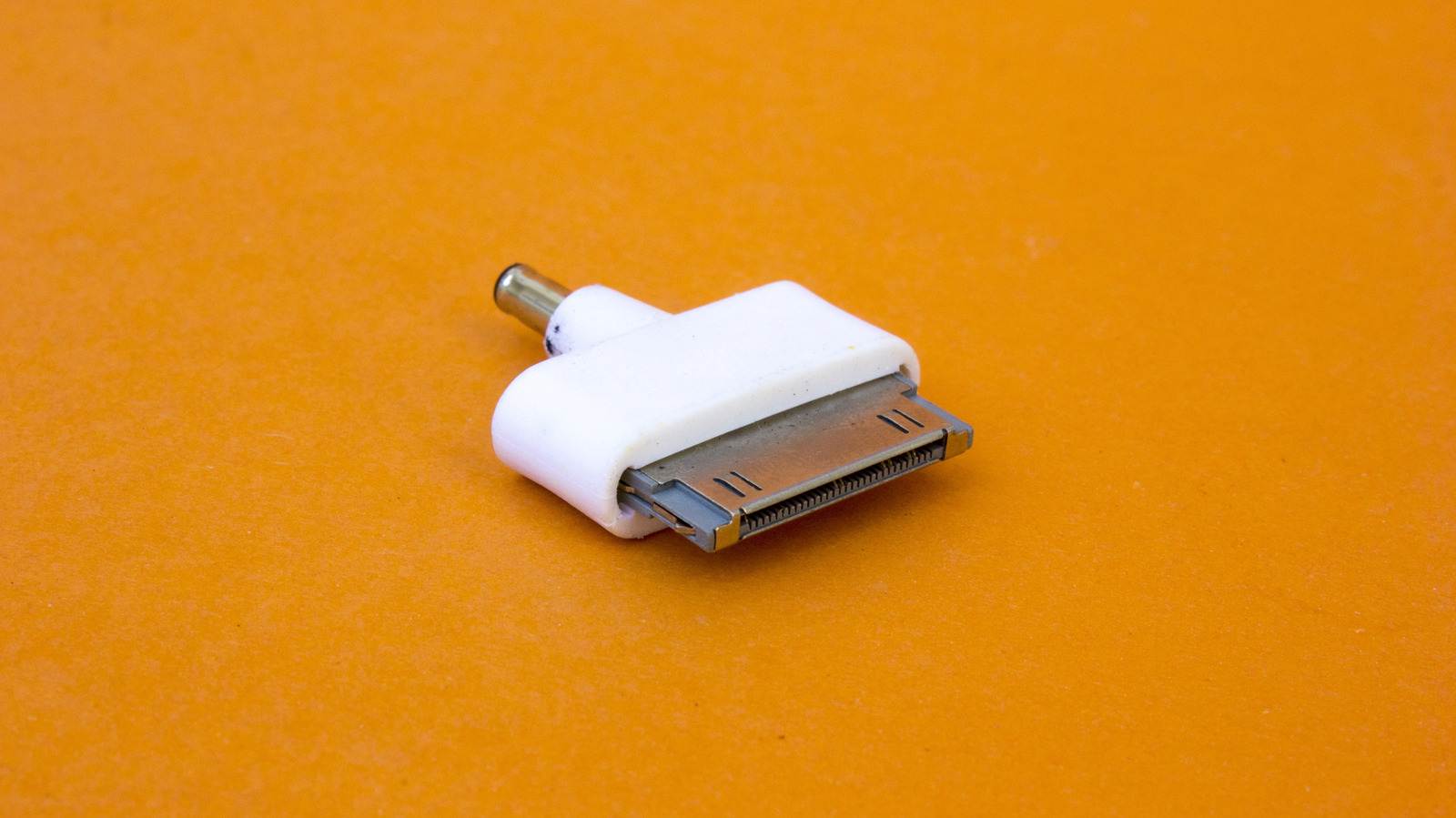
Apple's proprietary 30-pin connector first appeared on the third-gen iPod in 2003. This wide, flat port was subsequently used across the first iPhone and iPad models, as well as speaker systems like Bose's SoundDock and Apple's iPod Hi-Fi. The connector included many pins to ensure support for FireWire, which was Apple's legacy charging standard in its early years.
Advertisement
In 2012, Apple replaced it with the smaller, reversible 8-pin Lightning connector, a proprietary design that prevented the use of Android-compatible chargers. These connectors housed chips to regulate voltage, allowing the company to collect licensing fees from third-party manufacturers. The iPad Pro switched to USB-C in 2018, followed by the iPhone 15 lineup in 2023.
The Sony Ericsson FastPort arrived in 2005 on the Sony Ericsson K750i, designed to handle audio output, charging, and data transfers. This clunky, 12-pin connection featured double-sided plastic hooks that snapped onto the device, though it was considered flimsy. If a hook broke, the plug would no longer stay in place. Despite these flaws, the FastPort's versatility hinted at the industry's eventual move toward a universal standard. It was replaced in 2010 by the Micro-USB and 3.5 mm audio jack combination, ending a five-year run.
The HTC Dream, which was the first commercially available Android phone, featured an 11-pin ExtUSB port, or Extended USB. Recognizable by its slanted corner, this port combined a 5-pin Mini-USB port with extra pins to provide power, data, and audio capabilities. This design meant that regular Mini-USB chargers remained compatible with the legacy port. The connector was exclusive to early HTC Android devices and Windows Mobile phones before they transitioned to Micro-USB. For a period, phones using this port lacked a 3.5 mm headphone jack, forcing users to buy ExtUSB adapters to connect their headphones.


