


Google discontinued six products and services in 2026

Tech Desk
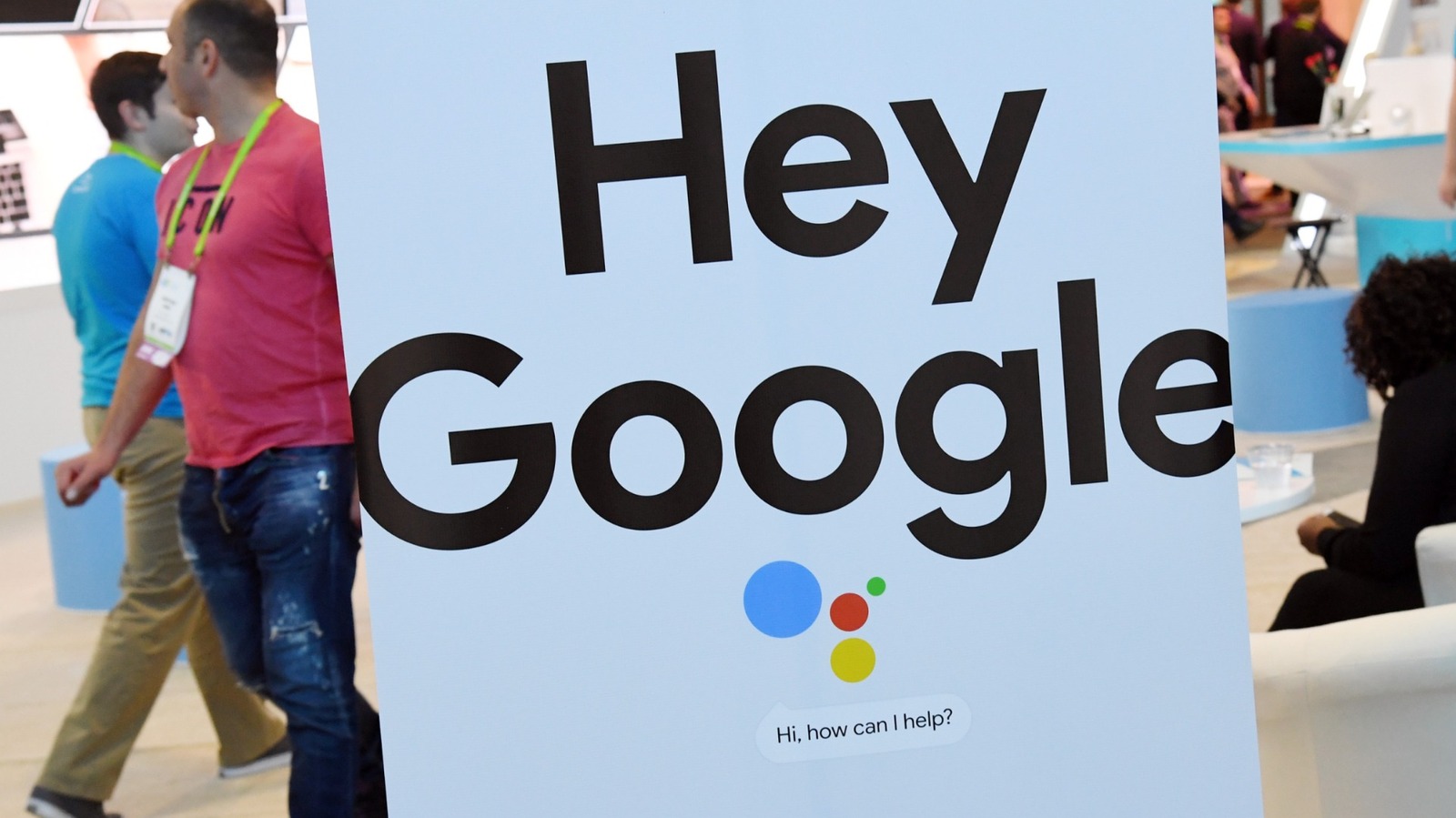
Google is a company driven by data, a philosophy that applies directly to its various products and services. The search giant frequently shuts down offerings that it believes no longer align with its broader goals, a practice that has previously led to the retirement of tools like Google Reader, Google+, Stadia, Google Glass, Google Hangouts and many others over the past 15 years. This year has been no exception, and the following is a detailed look at everything Google discontinued in 2026.
Advertisement
Google Assistant was phased out to make way for Gemini on mobile hardware. While the company initially aimed to complete this transition by the end of 2025, the deadline was eventually pushed to September 2026. Consequently, Assistant is no longer available on mobile devices, Wear OS smartwatches, headphones, earbuds, or vehicles using Android Auto projected from a user's handset. However, it remains functional on older hardware, including Nest Audio, Nest Mini, the original Google Home, Google Home Max and vehicles with Google built-in.
First debuting in 2016 within the short-lived chat app Allo, Google Assistant was integrated into a vast portion of the Android ecosystem, covering mobile phones, tablets, smart home hardware and vehicles. It provided users with a hands-free method to manage smart home lighting, play music, call contacts and search for information online. These functions will now be managed by Gemini.
The Pixel Tablet was discontinued in September 2026. Currently, the link to its listing redirects to the Google Store home page, and the company has removed tablets as a category from its website navigation. Although Google's efforts in the tablet market have occasionally appeared half-hearted, the Pixel Tablet was an attempt to change that perception. It launched in 2023 for $499, featuring an 11-inch 60Hz LCD panel, solid hardware and reliable battery life. During the 2025 Black Friday sale, Google sold the tablet for as little as $250.
A primary selling point was the included Charging Speaker Dock, which effectively transformed the tablet into a Nest Hub Max. The dock housed a dedicated speaker and functioned as a Cast target, allowing users to stream music and podcasts to the unit. With the Pixel Tablet discontinued, Google no longer offers a tablet of its own. Despite leaks suggesting a successor with a 120Hz panel, that device never reached the market. With Google now focusing on Googlebooks, it might be some time before another Pixel Tablet appears.
Advertisement
Google ended production of the Nest Mini and Nest Audio in June 2026, with both items now officially discontinued. The Nest Mini gained significant popularity after its 2019 launch for just $50, offering an affordable way for users to interact with Google Assistant, play music and control smart home devices. The Nest Audio debuted in 2020 for $99 as the successor to the original Google Home. It featured a fabric design and provided strong audio quality through two drivers—a 75mm woofer and 19mm tweeter—with only the much larger and more expensive Home Max rivaling its sound performance in Google's speaker portfolio.
Although the Nest Audio and Nest Mini are discontinued, Google will continue to provide software updates for the foreseeable future. The company is now positioning the $99 Google Home Speaker as the preferred choice for those seeking a smart speaker. The Home Speaker offers 360-degree sound but utilizes a smaller 58mm driver and features Gemini instead of Google Assistant.
As part of a wider rebranding initiative focused on Google Health, the company transformed the Fitbit app into a unified health portal in May 2026. Alongside this change, Google indicated that it was migrating Google Fit data over to Google Health. The company is positioning Health as the primary choice for monitoring fitness data from existing Fitbit wearables, and newer devices like the Fitbit Air and Fitbit Edge use it from the start.
Fitbit’s Web APIs have also been wound down, meaning users of a Fitbit fitness band or smartwatch must install and use Google Health to track metrics. While Health includes many features, such as an AI-assisted Health Coach, it lacks the social elements that made the Fitbit app stand out.
Advertisement
With identity theft becoming more common, Google launched a service called Dark Web Report in 2023 to monitor the dark web and alert users if personal data—such as email addresses, phone numbers or physical addresses—leaked in a data breach. Originally limited to Google One subscribers, the service was rolled out for free to all Google account holders starting in July 2024. In January 2026, Google confirmed it was ending the service, noting that it did not "provide helpful next steps" and that it would instead focus on "tools that give you more clear, actionable steps to protect your information online." While other monitoring services like Have I Been Pwned exist, Google’s Dark Web Report was notable.


